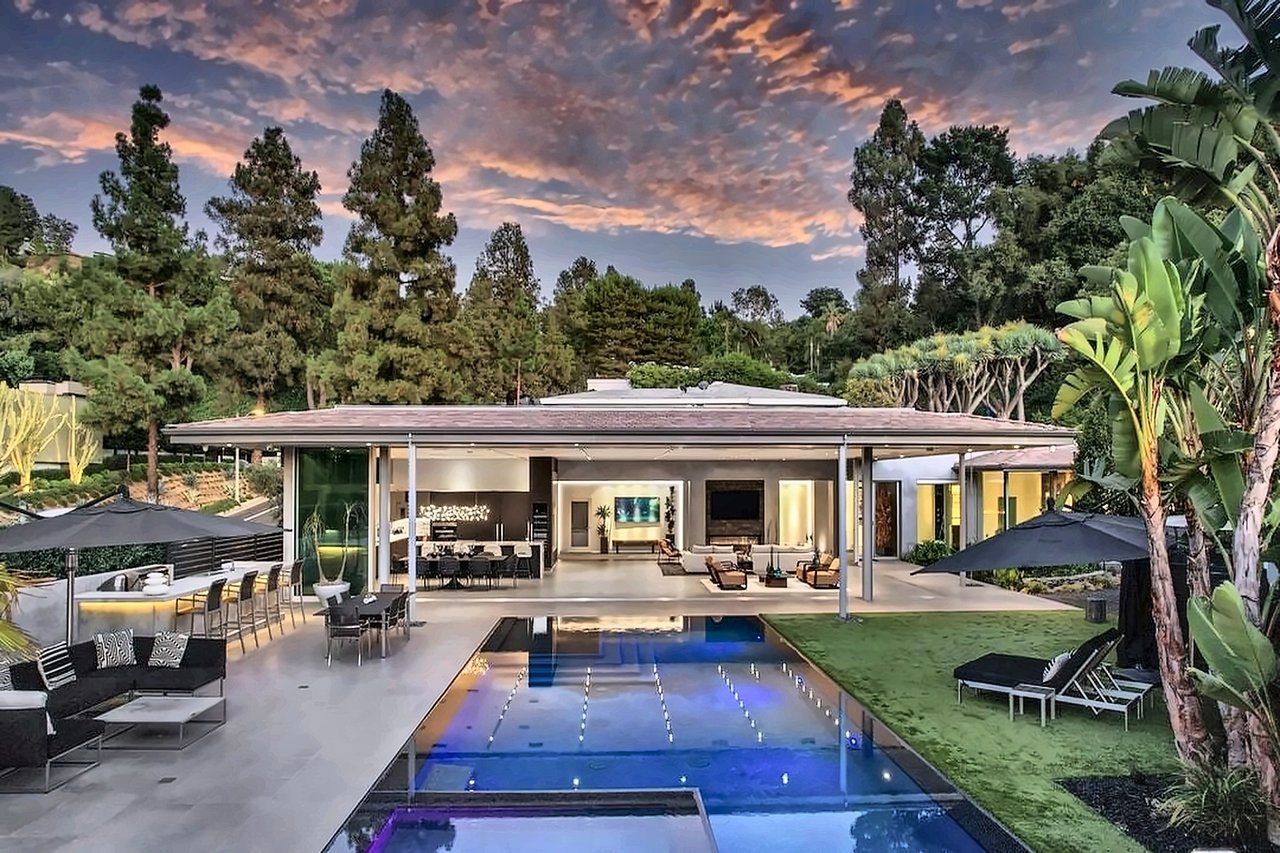
"What is my Beverly Hills home worth?" is the question I hear more than any other, and it's usually asked right after someone has looked up an online estimate and doesn't quite believe it. They're right not to. In Beverly Hills, two homes with the same square footage on streets a few minutes apart can be worth very different amounts, and the reasons rarely show up in an algorithm.
Here is how I actually value a Beverly Hills estate, and what you should expect from an honest pricing conversation.
Why Online Estimates Miss on Estates
Automated valuations work best where there are lots of similar homes selling often. That's not Beverly Hills. At the upper end, only a handful of truly comparable homes may trade in a given year, every lot is different, and many of the features that drive value, such as a flat usable yard, an unobstructed view, a quiet cul-de-sac or a thoughtful remodel, aren't captured in public records at all.
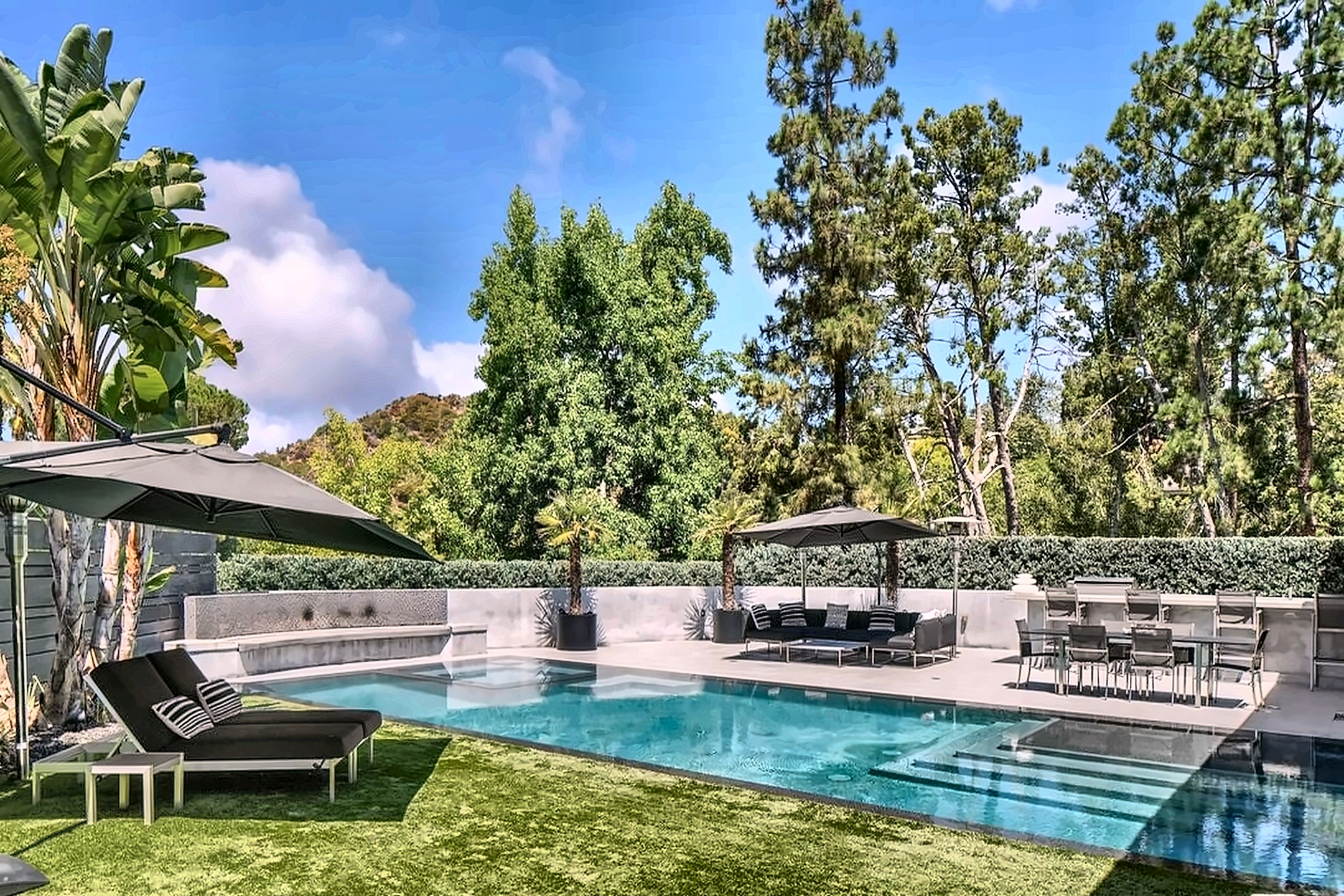
An estimate can be a starting point for curiosity. It shouldn't be the number you list at, or the number you turn down an offer over.
I saw this firsthand with a Beverly Hills estate whose street I'll keep private. The owner priced it at $125,000 a month to lease, or $21 million to buy. After six to nine months on the market, it ended up at $85,000 a month and $17.4 million. The house didn't change in that time. The price just caught up with what buyers had been telling us all along.
Beverly Hills Is Several Markets in One ZIP Code
The 90210 ZIP code covers very different neighborhoods, and each one is priced on its own terms.
- The Flats. The grid between Sunset and Santa Monica Boulevards is prized for walkability, large level lots, the Beverly Hills school district and proximity to Rodeo Drive. Land value carries a lot of the price here, so lot size and frontage matter as much as the house.
- Trousdale Estates. The mid-century hillside enclave above Sunset is defined by view lots, single-story architecture and strict local rules on height and views. Buyers pay for the view corridor and the architecture, so a home like a reimagined mid-century compound in Trousdale Estates is judged very differently from a Flats traditional of the same size.
- Beverly Hills Post Office (BHPO). These 90210 hillside and canyon neighborhoods are mostly within the City of Los Angeles, not the City of Beverly Hills. That affects schools, services and permitting, and since Measure ULA it also affects the transfer tax on higher-priced sales, which some buyers factor into what they'll pay. It's worth knowing what a BHPO address does and doesn't tell you before you set a price.
- The canyons. Benedict, Coldwater and the side streets off them trade on privacy, gated access, lot usability and how the home sits on the hillside, with fire readiness and insurability now part of every conversation.
Here's how I see the premiums in each one. In the Flats, buyers pay for lot size and the street. In Trousdale, they pay for the length of the view and lot size. In Beverly Hills Post Office, it's the street, privacy, quiet and views. In Coldwater and Benedict canyons, it's privacy, quiet and the lot. So the same square footage can mean a very different number depending on which of these markets you're in.
What Buyers Actually Pay For
When I walk a home to value it, I'm looking at it the way the most qualified buyer will. In Beverly Hills, the features that move price most are usually:
- Usable land. A flat, private yard with room for a pool and lawn is scarce in the hills and valuable everywhere.
- Views and light. City, canyon or ocean views, and how much of the home actually captures them.
- Privacy and approach. Gates, setbacks, hedging and a quiet street.
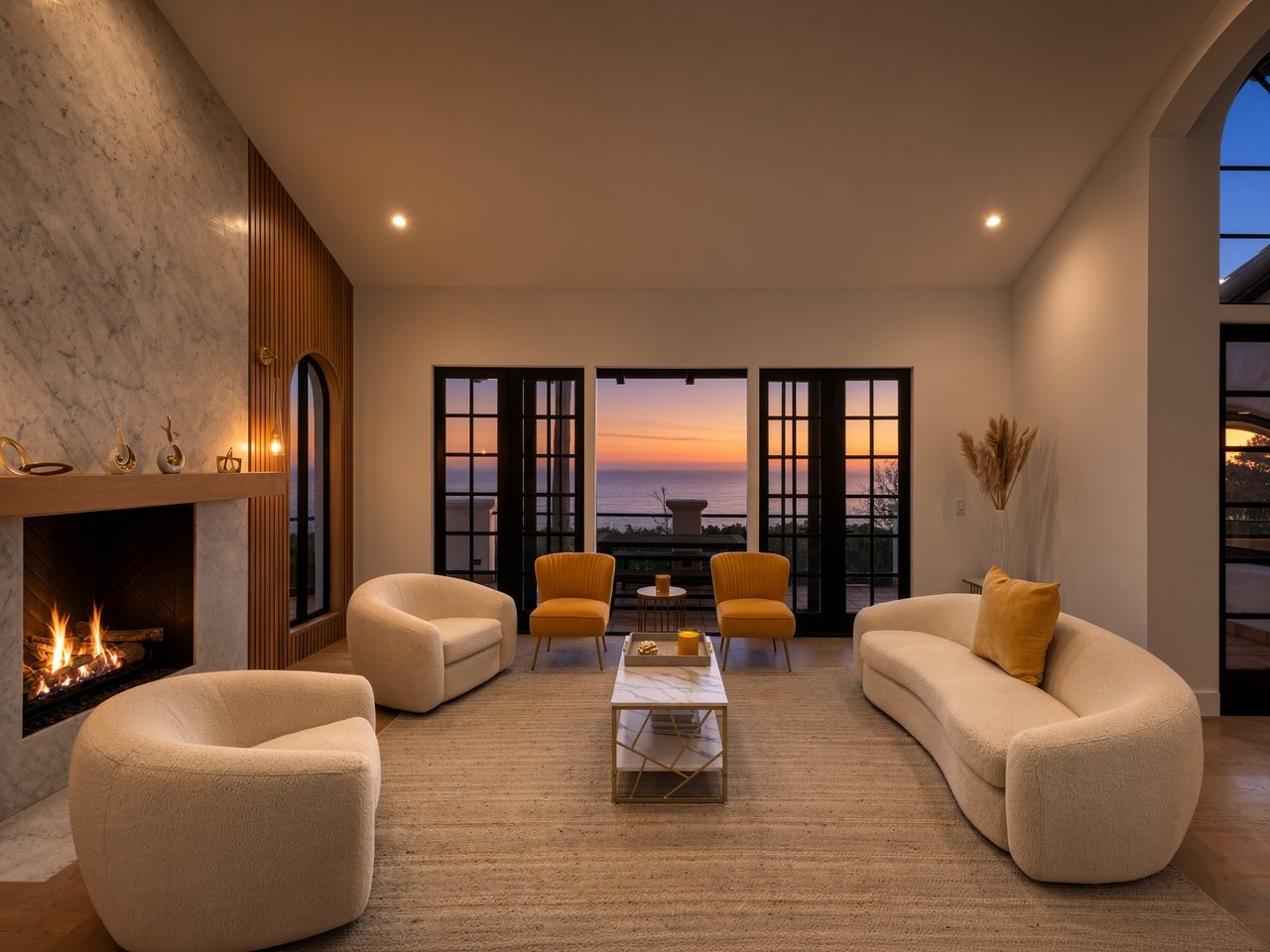
- Indoor-outdoor flow. Walls of glass that open to the pool and gardens are what today's buyer expects at this level.
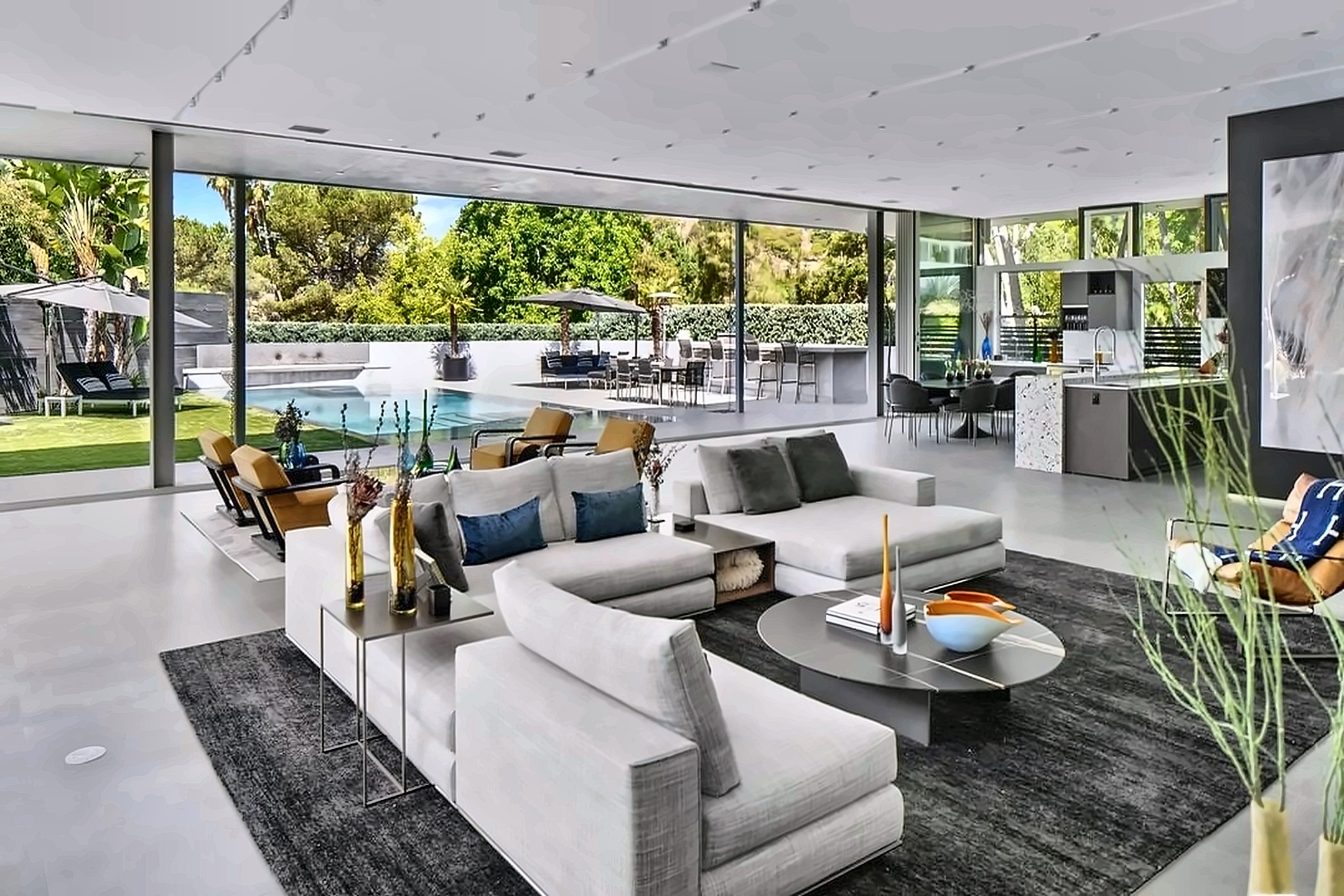
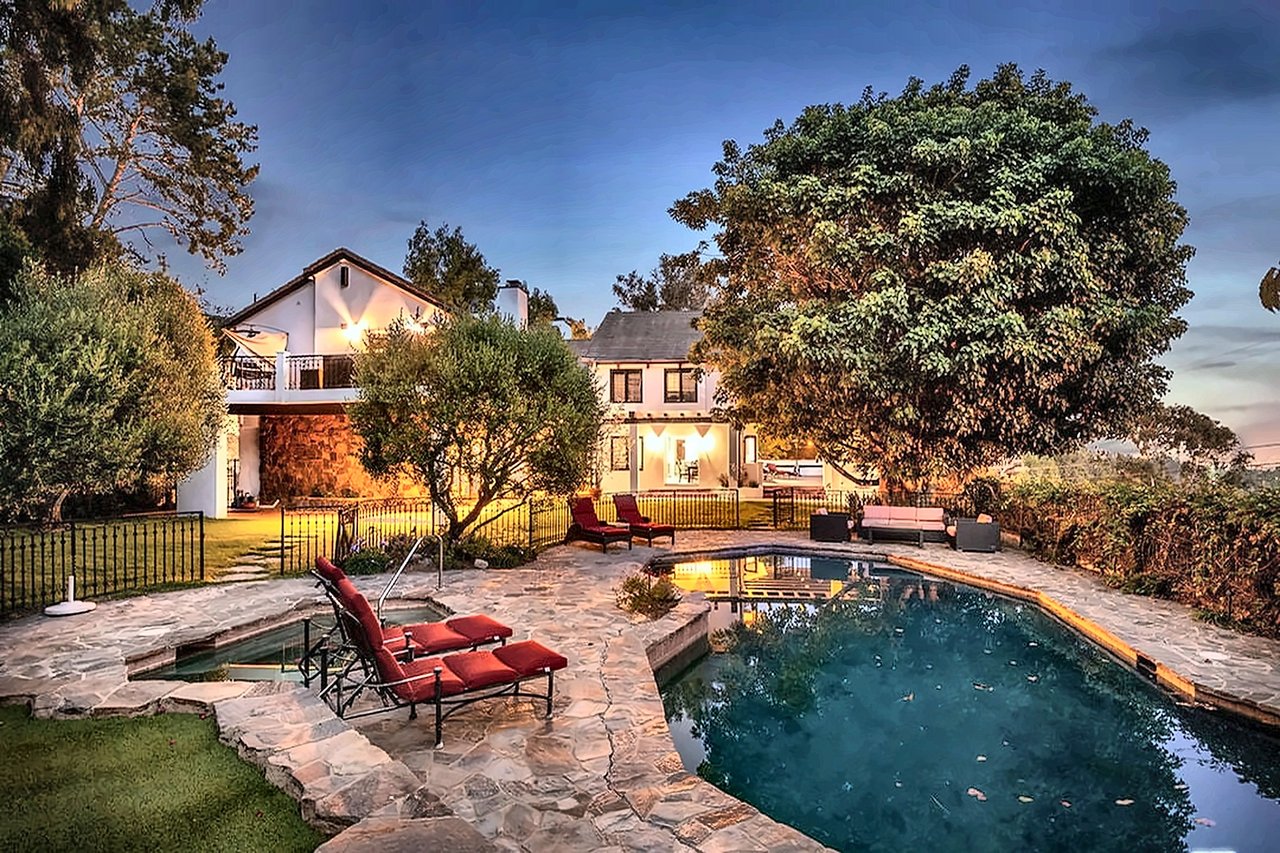
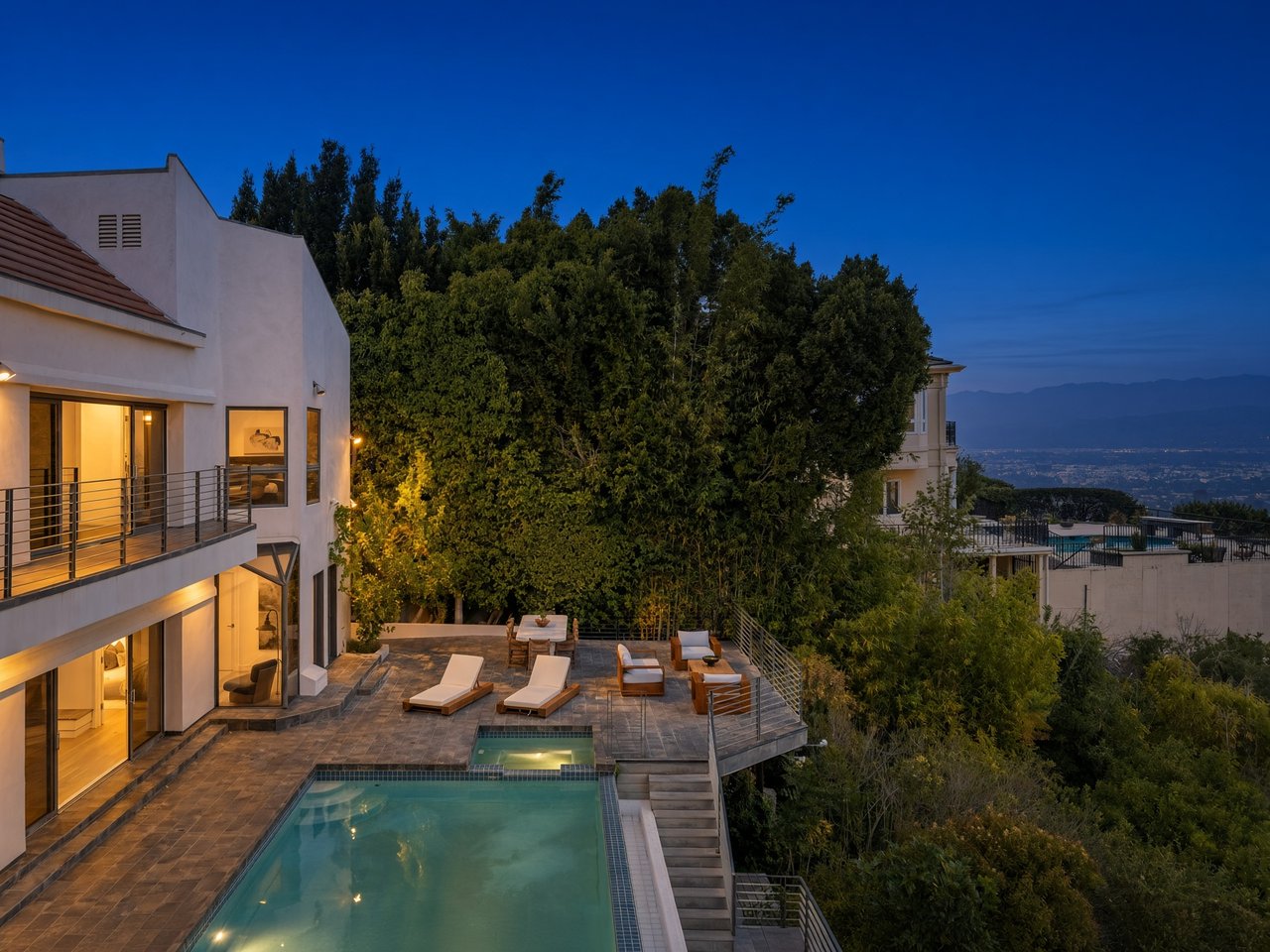
Two other Beverly Hills homes currently for sale on our site show how differently those features combine: a gated hilltop modern in Trousdale with city and ocean views and a Mid-Century pool home in Beverly Hills Post Office. Each would be priced from different comparables, even though both share a ZIP code. It's the same reason what buyers notice first when they tour a Beverly Hills home has such an outsized effect on the offers you get.
Pricing When Comparable Sales Are Thin
When there are few true comparables, a responsible valuation pulls from several directions at once: recent closed sales in the same pocket, active and pending listings that buyers are weighing against yours, homes that failed to sell and why, the underlying land value, and what it would cost a buyer to build or remodel to the same standard. I used the same discipline in how I priced a Bel Air estate against thin comps.
When there are only a few true comps, I go back three to five years. I look at both the land value and the house's price per square foot, because on an estate both matter. And I check every expired, off-market and active listing, not just the closed sales, so I can see where buyers said yes and where they said no.
Condition, Permits and the Remodel Question
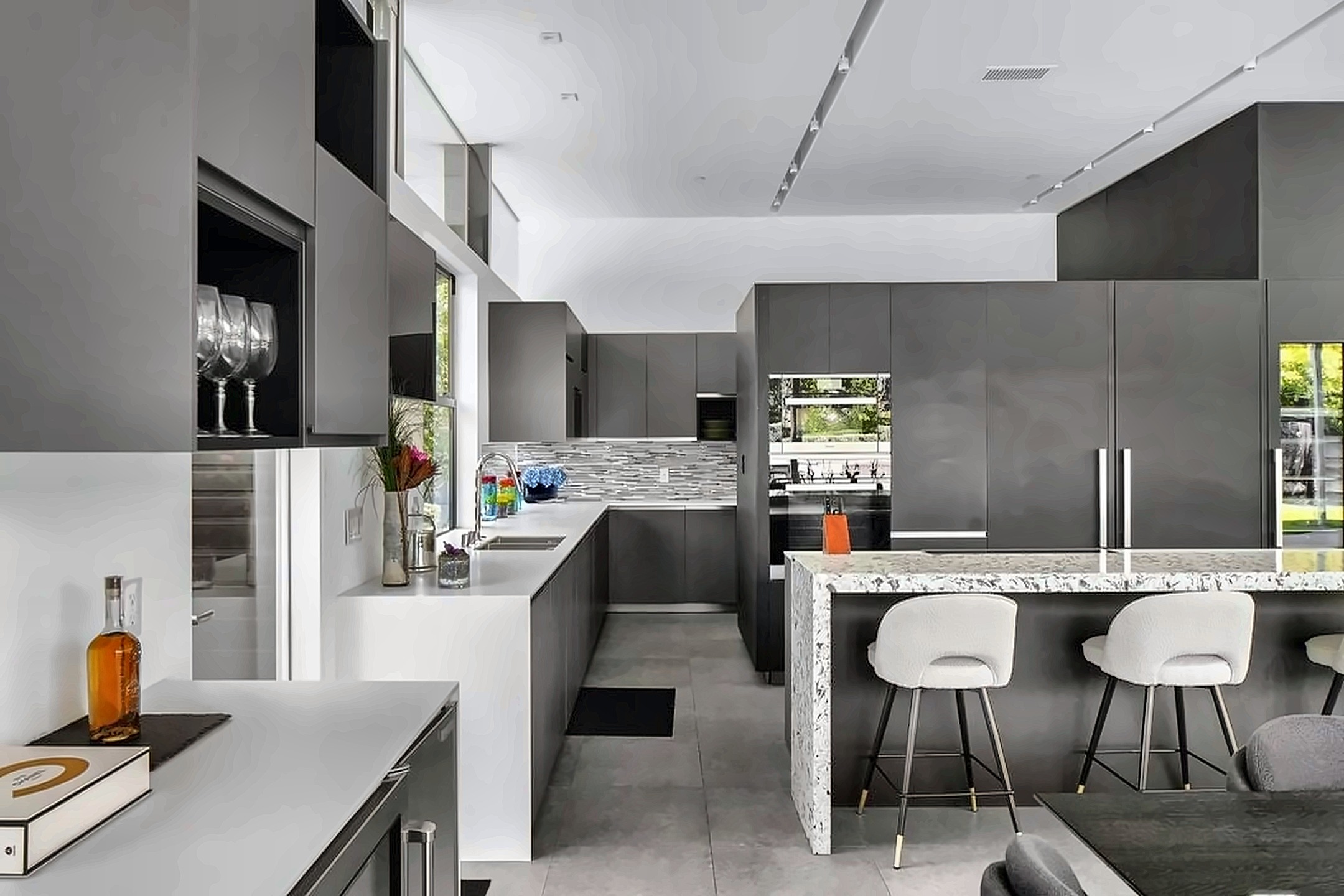
Condition can swing value more than sellers expect. A buyer at this level will price in every project they'd have to take on, and usually at a premium for their time. Permits matter too: finished square footage, additions and pools without permits can become a problem in escrow and with the buyer's lender. It helps to understand how home appraisals work if your buyer is financing.
The Most Expensive Mistake: Overpricing
The fastest way to lose money in Beverly Hills is to list too high and hope. The first weeks on the market bring the most attention from serious buyers and their agents. If the price doesn't make sense to them, they move on, the home sits, and the eventual sale often comes in lower than a well-priced launch would have brought.
The biggest mistake I see is overpricing by more than 10%. A home that starts that far above the market misses the buyers who should have been its best audience, and it usually ends up chasing the market down instead of setting the price.
What a Valuation Conversation With Me Looks Like
A real valuation isn't a number emailed over in five minutes. I walk the property, ask about every improvement and permit, review what's sold, what's pending and what's competing, and then explain the price and the reasoning behind it. From there we talk strategy: where to list within that range, how the home should be prepared and photographed, and how we'll read the market's response once it goes live.
My walkthrough lasts an hour or so. The seller gives me the rundown on everything: the materials, the architect, the possibilities and the limitations, the disclosures, the layout, and what type of buyer would be interested in the home. Then I price it based on active and expired comps, so we know what to do and what not to do.
So, What Is Your Beverly Hills Home Worth?
The honest answer is that it depends on your pocket of Beverly Hills, your land, your views, your condition and the buyers who are active right now. The good news is that it can be answered with real precision by someone who knows these streets and walks your home in person.
If you're thinking about selling and want to know what your Beverly Hills home is worth, request a private valuation from Jordan Pollack at LA Luxuries.
Before you lock either path, it helps to be weighing a lease against a sale with the full Los Angeles numbers in front of you.